Source Rear Bumper Support Bracket for Cars, Trucks, and SUVs
Find 30 rear bumper support bracket options from Chinese manufacturers. Compare steel and stainless steel materials, OEM specifications, and custom packaging to identify suitable suppliers for automotive repair and assembly needs; compare the available evidence and request quotations based on your requirements.
Key considerations
Products List


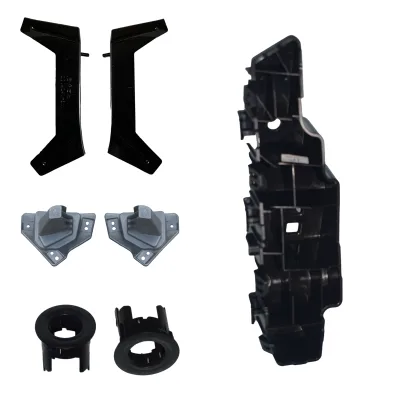
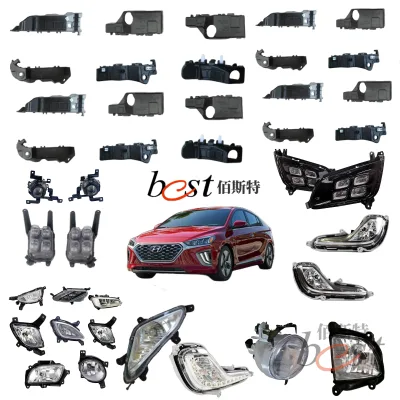
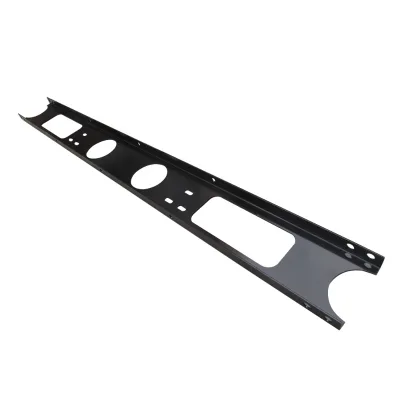


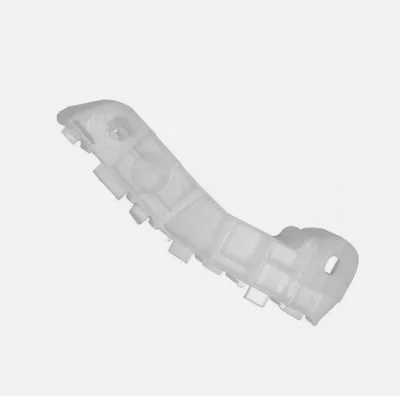


Comprehensive Sourcing Guide
Rear Bumper Support Bracket Sourcing Guide
Sourcing rear bumper support brackets requires a disciplined approach to aligning component specifications with vehicle platform requirements. These structural elements serve as the critical interface between the visible bumper cover and the vehicle’s underlying chassis or frame rails. Buyers must recognize that while the external appearance may vary, the internal mounting geometry and load-bearing capacity are paramount for safety and crash performance. The procurement process begins with identifying the exact vehicle make and model, as compatibility is rarely universal across different generations or trim levels.
The market offers a diverse range of options, from OEM-equivalent parts to aftermarket alternatives, each with distinct material compositions and manufacturing processes. Observations from current listings indicate a strong presence of steel and stainless steel variants, often treated with surface finishes like brushing or sandblasting to resist corrosion. Buyers should prioritize suppliers who provide clear evidence of material thickness and machining tolerances, as these factors directly influence the bracket’s durability and fitment precision. Understanding these technical nuances is essential for making informed purchasing decisions that balance cost with long-term reliability.
Product Scope and Observed Listing Signals
Current market data reveals a wide price spectrum, ranging from approximately $0.83 to $287.30 USD, reflecting significant variations in material quality, manufacturing complexity, and brand positioning. Minimum order quantities (MOQs) typically span from single units to 1,000 pieces, catering to both individual repair shops and large-scale fleet maintenance operations. This variability suggests that buyers can negotiate terms based on volume, with smaller orders often commanding higher per-unit costs due to setup and handling fees. It is crucial to verify whether the listed price includes packaging and shipping, as these can add substantial hidden costs to the final invoice.
Product listings frequently highlight customization options, with many suppliers offering bespoke solutions tailored to specific vehicle brands such as Toyota, BMW, or Volkswagen. The observed data indicates that materials like SPCC steel and stainless steel are common, with thicknesses ranging from 1 to 50mm, allowing for robust structural integrity. Additionally, some listings specify exact part numbers, such as 9436660178 or WG9100520033, which aids in precise identification and reduces the risk of ordering errors. Buyers should carefully cross-reference these identifiers with their vehicle’s service manual to ensure compatibility before committing to a purchase.
Technical Specifications to Verify
When evaluating rear bumper support brackets, verifying the material composition and surface treatment is essential for ensuring longevity and performance. Stainless steel and SPCC steel are prevalent choices, each offering distinct advantages in terms of strength and corrosion resistance. Surface treatments such as brushing or sandblasting not only enhance aesthetic appeal but also provide an additional layer of protection against environmental wear. Buyers should request detailed material certificates to confirm that the specified grade of steel meets the required mechanical properties, particularly yield strength and tensile strength, which are critical for crash safety.
Machining tolerances and dimensional accuracy are equally important, with some suppliers claiming tolerances as tight as +/-0.01mm. Such precision ensures that the bracket fits seamlessly into the vehicle’s assembly line, reducing installation time and minimizing the risk of misalignment. Buyers should also inquire about the installation process, as easy installation features can significantly reduce labor costs and improve overall efficiency. Additionally, verifying the energy source used in manufacturing, such as electric arc welding, can provide insights into the quality of the welds and the overall structural integrity of the bracket.
Compliance and Safety Documentation
Compliance with international standards is a non-negotiable aspect of sourcing rear bumper support brackets, particularly for vehicles intended for global markets. Certifications such as ISO 9001, TS 16949, and SGS are frequently cited by suppliers, indicating adherence to rigorous quality management systems. These certifications ensure that the manufacturing process is consistent and that each component meets predefined quality criteria. Buyers should verify the validity of these certificates and check for any recent audits or non-conformities that might affect the reliability of the supplier’s quality assurance processes.
In addition to quality certifications, compliance with specific industry standards such as ASME, EN, and GB is crucial for ensuring that the brackets meet regional safety regulations. These standards dictate various aspects of design, testing, and performance, including crashworthiness and durability under extreme conditions. Buyers should request documentation that demonstrates compliance with these standards, including test reports and certification letters. This due diligence helps mitigate the risk of regulatory non-compliance, which could lead to costly recalls or legal liabilities in the event of an accident.
Cost Drivers and Commercial Terms
Several factors influence the final cost of rear bumper support brackets, with material costs, manufacturing complexity, and order volume being the primary drivers. Stainless steel and thicker gauge materials generally command higher prices due to their superior strength and corrosion resistance. Additionally, custom manufacturing processes, such as extrusion or specific surface treatments, can increase production costs. Buyers should analyze the cost breakdown to understand where the majority of the expense lies, allowing for more informed negotiations and potential cost-saving opportunities through material substitution or process optimization.
Commercial terms, including lead times and payment conditions, also play a significant role in the total cost of ownership. Lead times for custom orders can range from 30 to 50 days, which requires careful planning to avoid production delays. Buyers should negotiate favorable payment terms, such as partial upfront payments and balance upon delivery, to manage cash flow effectively. Additionally, understanding the packaging methods, such as wooden boxes or pallets, can help estimate shipping costs and ensure that the brackets arrive in pristine condition, minimizing the risk of damage during transit.
Supplier Qualification and Quality Control
Supplier qualification is a critical step in the sourcing process, requiring a thorough assessment of the supplier’s manufacturing capabilities and quality control systems. Buyers should verify that the supplier has a robust inspection process, such as 100% inspection before shipping, to ensure that every bracket meets the specified quality standards. This level of scrutiny helps identify and eliminate defective parts before they reach the customer, reducing the risk of returns and warranty claims. Additionally, buyers should inquire about the supplier’s experience in producing brackets for specific vehicle brands, as this indicates a deeper understanding of the technical requirements and fitment nuances.
Quality control extends beyond the final inspection to include raw material verification and in-process monitoring. Buyers should request evidence of material traceability, ensuring that the steel used in production meets the specified grade and thickness. Furthermore, understanding the supplier’s approach to handling non-conformities is essential, as it reveals their commitment to continuous improvement and customer satisfaction. Suppliers who proactively address quality issues and implement corrective actions are more likely to deliver consistent, high-quality products that meet the buyer’s expectations.
Long-Term Procurement Checks
Establishing long-term procurement relationships requires ongoing monitoring of supplier performance and product quality. Buyers should implement a system for tracking key performance indicators, such as delivery times, defect rates, and customer feedback, to assess the supplier’s reliability over time. Regular audits and site visits can provide valuable insights into the supplier’s operational practices and help identify potential areas for improvement. By maintaining open communication and fostering a collaborative relationship, buyers can work with suppliers to address any issues promptly and ensure continuous improvement in product quality and service.
Additionally, buyers should stay informed about changes in industry standards and regulations that may impact the design and manufacturing of rear bumper support brackets. This proactive approach ensures that the sourced components remain compliant with current safety and performance requirements. Regularly reviewing and updating procurement specifications based on new technological advancements or material innovations can also help buyers stay competitive and meet evolving market demands. By prioritizing long-term partnership and continuous improvement, buyers can secure a reliable supply chain that supports their business objectives and customer satisfaction.
FAQs
What materials are used for rear bumper support brackets?
Rear bumper support brackets are typically manufactured from steel, stainless steel, or plastic. Steel variants like SPCC offer high strength, while stainless steel provides superior corrosion resistance. Plastic options are also available for specific lightweight applications. The material choice depends on the required durability and vehicle compatibility.
Can rear bumper support brackets be customized for specific vehicles?
Yes, customization is available for rear bumper support brackets to fit various car brands. OEM specifications are supported, allowing for precise model matching. Buyers can request specific colors, surface treatments like brushed or sandblasted finishes, and tailored packaging. This ensures the bracket meets exact engineering and aesthetic requirements for the target vehicle.
What certifications do rear bumper support bracket suppliers hold?
Reputable suppliers hold certifications such as CE, ISO 9001, TS 16949, and SGS. These credentials verify quality management systems and product safety standards. Some manufacturers also adhere to ASME, EN, and GB standards. These certifications ensure that the rear bumper support brackets meet international regulatory requirements for automotive components.
What is the typical lead time for rear bumper support brackets?
The typical lead time for rear bumper support brackets ranges from 30 to 50 days. This duration accounts for manufacturing, quality inspection, and packaging processes. Buyers should plan their procurement schedules accordingly to avoid production delays. Expedited options may be available depending on the supplier's capacity and the complexity of the custom order.
How are rear bumper support brackets packaged for shipping?
Rear bumper support brackets are packaged using wooden boxes, cardboard boxes, bubble bags, or plastic films on pallets. The packaging method is selected to prevent damage during transit. Some suppliers use plywood cases for heavy steel components. Proper packaging ensures the brackets arrive in new condition, ready for easy installation on the vehicle.
What is the minimum order quantity for rear bumper support brackets?
The minimum order quantity for rear bumper support brackets typically ranges from 1 to 1000 units. This flexibility allows buyers to order small samples or large bulk quantities. The exact MOQ depends on the supplier and the specific customization requirements. Buyers can negotiate terms based on their volume needs and the complexity of the bracket design.